Best Dog Toys for Separation Anxiety: Calming, Stimulating Aids for Comfort
Having a dog that suffers from separation anxiety can be challenging for both pet and owner. A well-chosen toy can help redirect their focus, provide mental stimulation, and ease stress during alone time. The following five products are selected for their engaging design, durable construction, and calming features designed to reduce anxiety and promote healthier behavior when you’re away.
| Product | Brand | Key Benefit |
|---|---|---|
| PETSTA Dog Puzzle Toys | PETSTA | Treat-dispensing, multi-level puzzle for brain stimulation |
| Original Snuggle Puppy Heartbeat Toy | Snuggle Puppy | Realistic heartbeat and heat pack for comfort |
| SPOT Soothers Tabbie Lambie | SPOT | Calming lavender scent with textures and squeaker |
| DISSKNIC Indestructible Squeaky Ball | DISSKNIC | Durable, squeaky engagement and teeth cleaning |
| WEOK Heartbeat Puppy Toy | WEOK | Heartbeat simulation for anxiety relief and crate training |
PETSTA Puzzle Toys For Dogs
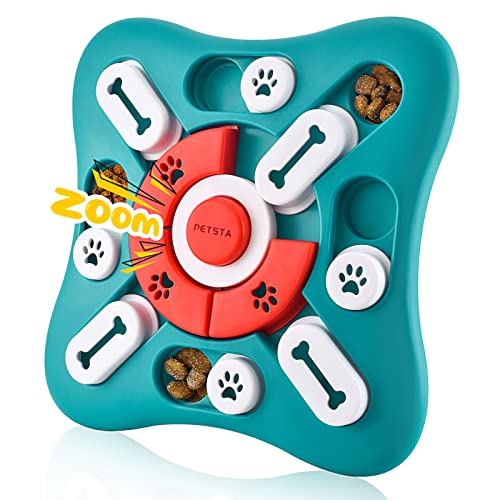
These 10-inch by 10-inch by 1.3-inch puzzle toys are designed to engage dogs and cats with a central squeak button that draws attention. The three difficulty levels and a 16-hole treat dispenser encourage slow feeding and extended play, helping to channel anxiety into focused activity. The combined Spin & Slide and Seek & Hide mechanics require dogs to use scent, paw, and problem-solving skills to uncover rewards, delivering mental stimulation during periods of separation.
Why it helps separation anxiety: The interactive play creates a predictable, rewarding routine that can replace nervous pacing. Slow-feeding elements extend engagement time, reducing boredom and restlessness when alone. Regular use can contribute to calmer departures and more contented returns.
Original Snuggle Puppy Heartbeat Toy

The Snuggle Puppy combines durable construction with a Real-Feel Heartbeat and removable heat pack. This combination provides a comforting sensory cue that mimics the presence of a littermate, potentially easing anxiety during crate time or when left alone. The toy is machine-washable after removing the heartbeat device, supporting long-term use and easy cleaning.
Why it helps separation anxiety: The heartbeat sound and warmth create a soothing, familiar stimulus that can lower stress levels and encourage relaxation. This toy is often placed in the crate or bed to create a secure, comforting space for the dog when you’re away.
SPOT Soothers Tabbie Lambie

This stuffing-free toy features a heart-shaped plush with lavender fragrance beads, designed to promote calmness. A hidden squeaker adds interactive appeal, while multi-textured ribbons offer tactile stimulation. The lavender aroma, while artificial, is intended to support a relaxing environment without the mess of traditional stuffing.
Why it helps separation anxiety: The scent and cuddly form provide a comforting focal point that can ease nervous energy when the owner is away. The squeaker and textures help maintain engagement, reducing compulsive behavior and reinforcing a sense of security.
DISSKNIC Indestructible Squeaky Ball

Designed for aggressive chewers, this ball features a durable honeycomb texture with a built-in squeaker. Its high elasticity and robust construction suit large breeds, while the treat-dispensing option and toothpaste-friendly surface make it useful for dental health. It’s a strong option for dogs who seek constant stimulation and can help redirect destructive chewing behaviors.
Why it helps separation anxiety: Durable play and the presence of a squeaker offer ongoing engagement that can occupy a dog’s attention when alone. The added option for treat loading can extend play sessions, keeping anxiety at bay longer than simpler toys.
WEOK Heartbeat Puppy Toy

The WEOK heartbeat plush simulates a real puppy heartbeat to help an anxious dog feel secure. It’s designed for crate training and as a general calming aid, providing a comforting, soft companion that can ease loneliness and reduce whining or barking during alone time. The device is user-friendly and can be switched on or off as needed.
Why it helps separation anxiety: The periodic heartbeat creates a stable, reassuring presence in the dog’s environment. This can shorten the adjustment period after absence, making crate time and new surroundings less stressful for both dog and owner.
Buying Guide: Key Purchase Considerations And Comparisons
When selecting dog toys for separation anxiety, consider the dog’s size, chewing strength, and preferred play style. The right combination of comfort, engagement, and durability can significantly impact how a dog copes with being left alone.
- Durability and safety: For heavy chewers, prioritize tough materials (nylon, reinforced fabric) and verify that there are no small parts that could be swallowed. Look for machine-washable options where possible.
- Engagement type: Some dogs respond best to interactive puzzles that reward slow feeding, while others seek comforting sensations (heartbeat, scent, or soft textures). A mix of puzzle and soothing toys often yields the best results.
- Calming features: Aromatherapy, soft textures, and heartbeat simulations can provide a sense of security. However, lavender or other scents should be used with caution for dogs with sensitivities or allergies.
- Size and fit: Ensure the toy size matches your dog’s mouth and jaws. Toys that are too small can pose choking hazards, while oversized toys may frustrate the dog.
- Owner involvement: Toys that require some initial setup or interaction can help create a routine, reinforcing positive associations with being alone.
- Cleaning and maintenance: Choose items that are easy to clean, especially if they dispense treats or are used in the crate. Regular cleaning supports long-term safety and hygiene.
- Variability and progression: Start with easier levels and gradually increase difficulty to maintain engagement and adapt to your dog’s improving coping skills.
Overall, a thoughtful combination of puzzle toys, comfort objects, and scent-based soothing options can help dogs adapt to brief or extended separations. Regular use, paired with positive reinforcement and a consistent routine, supports better long-term behavior and reduces anxious episodes.