Best Electronic Learning Toys for 4 Year Olds
Finding engaging, educational toys for preschoolers can be a challenge. The right electronic learning toys blend play with foundational skills like letters, numbers, writing, and early problem-solving. Below, five well-reviewed options help 4-year-olds practice essential literacy and math while keeping learning fun. Each product offers interactive features, durability, and age-appropriate activities designed for curious preschoolers.
| Product | Brand | Key Skills | Interactive Features |
|---|---|---|---|
| LeapFrog 2-in-1 LeapTop Touch | LeapFrog | Early literacy, fine motor, pretend play | Keyboard with letters and numbers; converts to touch tablet; role-play emails |
| LeapFrog Mr Pencil’s Scribble Write and Read | LeapFrog | Writing; letters; numbers; name writing | Letter tracing; animated transforms; name customization |
| VTech Write and Learn Creative Center | VTech | Writing readiness; letter order; stroke practice | Magnetic drawing board; animated demonstrations; name doodling |
| LeapFrog Learning Friends 100 Words Book | LeapFrog | Vocabulary; reading readiness | 100+ words with friends; sounds and songs; touch-activated |
| Think Academy Interactive Learning Pad | Think Academy | Reading readiness; numbers; music; exploration | 70 sound pages; card-insert for letters and words; screen-free learning |
Parents and caregivers want toys that encourage exploration while building early literacy and numeracy. The following selections emphasize hands-on interaction, durable construction, and age-appropriate content for four-year-olds. Features include tracing and writing practice, alphabet introduction, number recognition, and imaginative play that mimics real-life activities. Each option supports independent play or guided activities, making it easier to share learning moments with young learners.
LeapFrog 2-in-1 LeapTop Touch: Convertible Laptop/Tablets for Preschool

The LeapTop Touch combines pretend play with foundational literacy and numeracy. Its primary keyboard presents letters A–Z and numbers 1–10, supporting early spelling and number recognition. The screen can flip into a touch tablet, enabling interactive activities that reinforce daily routines, like emailing a virtual character. The device is designed for role-play scenarios—kids can pretend to email Scout or practice spelling their own name. Parents can customize the experience to align with individual learning goals, enabling a flexible, kid-friendly approach to early education.
LeapFrog Mr Pencil’s Scribble Write and Read

Mr Pencil guides preschoolers through writing with a step-by-step approach to uppercase and lowercase letters. The device then animates the letters into animals and other objects, helping kids visualize letter shapes. A dotted-line tracing feature supports number writing, allowing children to practice counting-by-connecting strokes. A notable customization feature lets parents enter the child’s full name for personalized writing practice, reinforcing name recognition and fluency as a writing goal for early literacy.
VTech Write and Learn Creative Center
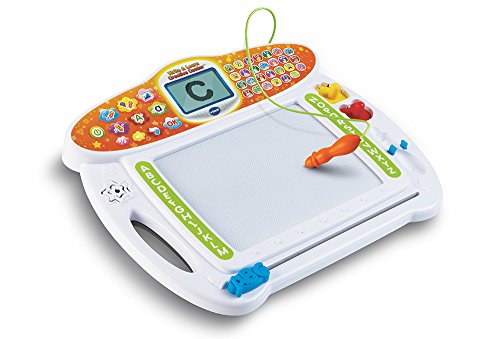
The magnetic drawing board offers a tactile, screen-free way to practice writing and drawing. Animated demonstrations provide step-by-step guidance on proper stroke order for both uppercase and lowercase letters, which helps with the formation of letters and pencil control. The Doodler feature lets children customize the creative center by entering their name, supporting name-writing practice in a fun, visual format. This tool is ideal for quick, productive writing sessions and traveling play.
VTech Play Smart Preschool Laptop

This sleek, kid-sized laptop introduces essential early skills through 30 activities with leveled learning. Personalization is a standout feature, allowing a child’s name, age, and avatar to be included in the learning experience. Activities cover beginning Spanish words, letters, numbers, and vocabulary related to shapes and foods, integrating bilingual exposure and foundational categorization skills. The device is designed to resemble a grown-up laptop, which can engage preschoolers who enjoy pretend-tech play while reinforcing cognitive foundations.
LeapFrog Learning Friends 100 Words Book
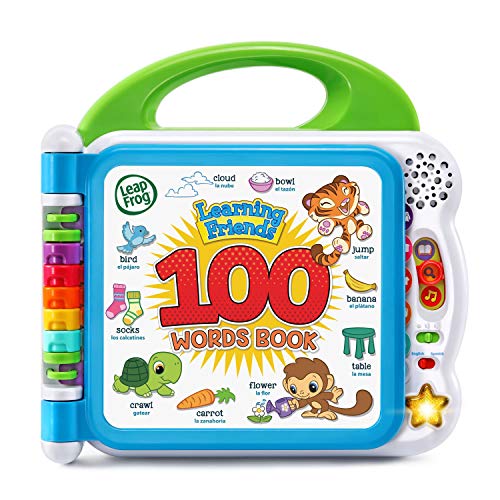
This interactive early vocabulary book features friends Turtle, Tiger, and Monkey guiding children through more than 100 age-appropriate words across categories like pets, foods, colors, and activities. Touch-activated words deliver sounds and fun facts, while light-up star buttons trigger theme songs for enhanced engagement. The format blends tactile pages with spoken language exposure, supporting listening, speaking, and word recognition—key components of early literacy development.
Think Academy Interactive Learning Pad

The Think Academy Learning Tablet offers a screen-free approach with 70 sound pages and card inserts for alphabet, words, numbers, and music. This device emphasizes active learning without screen glare, promoting hands-on exploration. It supports six core skills—creativity, imagination, curiosity, concentration, logical thinking, and hand-eye coordination—making it a versatile option for a well-rounded preschool curriculum. The combination of tactile cards and auditory feedback helps reinforce memory and recognition in an engaging, portable format.
Buying Guide: Key Purchase Considerations
- Age appropriateness: Ensure the toy is designed for preschoolers around age 4, with activities that support emerging literacy and numeracy without being too advanced or frustrating.
- Learning goals: Decide whether you want a focus on writing readiness, vocabulary expansion, letter recognition, or early math concepts, and match the product to those goals.
- Learning style balance: Screen-based elements can boost engagement, but screen-free options support hands-on, tactile learning. A mix can offer balanced development.
- Durability and safety: Look for sturdy construction, edge protection, and non-toxic materials suitable for young children who may handle devices roughly.
- Portability and battery life: Consider weight and size for travel; long-lasting batteries improve independent playtime without frequent recharging.
- Personalization features: Name customization and avatars can boost engagement and help with name-writing practice and recognition.
- Expansion potential: Some systems offer additional books, pages, or activity packs that extend learning and keep the toy relevant as skills grow.
- Versatility: A device that supports multiple activities (writing, reading, counting) can replace several separate toys, offering cohesive skill practice.
- Accessibility: Look for clear audio cues, adjustable volume, and readable text for emerging readers and children with varying attention spans.
- Parental involvement: Options that allow parents to customize activities or monitor progress can help align play with classroom goals and home learning.