Best Electronic Toys for Kids: Active, Learning, and Classic Games
Discover a curated pick of electronic toys that blend play and learning for kids. From motion-based active play to hands-on STEM kits and retro-inspired games, these items are chosen for safety, engaging features, and broad family appeal. Each product below highlights how it supports development, creativity, and accessible play for children ages 3 and up.
The table below summarizes the featured products to help you compare at a glance:
| Product | Brand | Focus | Key Benefit |
|---|---|---|---|
| Nex Playground | Nex | Active family play | Body-based motion gaming for up to 4 players |
| Snap Circuits Jr. SC-100 | Snap Circuits | STEM electronics | 100+ project possibilities with safe components |
| Handheld Game P30S | WELLST·G | Retro handheld gaming | 220 classic games in a portable package |
| Simon Micro Series | Hasbro Gaming | Memory and pattern recall | Compact Simon with engaging lights and sounds |
| KingsDragon Gesture Robot | KingsDragon | Gesture-control robot | Programmable actions and obstacle avoidance |
Nex Playground: Active Family Motion Gaming

The Nex Playground invites families to swap traditional screens for movement-rich play. With a built-in camera that tracks natural body movements, players can join in as a group of up to four without handheld controllers. Games such as Fruit Ninja and Whac-a-Mole are integrated, delivering quick-start, high-energy activities that blend exercise with play. A Play Pass system unlocks expanded catalogs and new titles monthly, supporting ongoing engagement for kids and adults alike. Setup is simple—connect to a TV and start moving. This product is designed to foster active family time and can be a centerpiece for gaming nights, parties, or casual playdates.
Key considerations: Motion-based play can help with coordination and physical activity, though availability of ongoing game content depends on the Play Pass subscription. Families should gauge their interest in an expanding catalog and ensure adequate play space. The device supports multiple players simultaneously, promoting cooperative and competitive play, depending on the household dynamic. The system uses AI motion tracking, which is generally effective for a range of body types and ages, though parents may want to supervise younger children to ensure safe movement in the living room.
Snap Circuits Jr. SC-100 Electronics Exploration Kit

Snap Circuits Jr. SC-100 provides a safe, hands-on introduction to electrical engineering for kids aged 8 and up. With 29 parts and a full-color project manual, the kit enables children to build 100+ projects, ranging from a flying saucer to buzzing alarms. The modular design encourages experimentation and problem-solving as kids learn circuit concepts through play. It also scales well with other Snap Circuits sets for expanded creativity. This toy stands out for its robust educational value, clear instructions, and durable components suitable for classroom-like exploration at home.
Key considerations: This kit emphasizes foundational STEM learning and practical understanding of circuits. Younger children or beginners may need parental guidance for more complex projects, while older kids can increasingly tackle independent builds. The large variety of projects makes it adaptable for multiple skill levels, but storage for small parts is a practical consideration in smaller spaces. Pairing with additional Snap Circuits kits can extend challenges and keep interest high over time.
Handheld Game P30S: 220 Retro Games
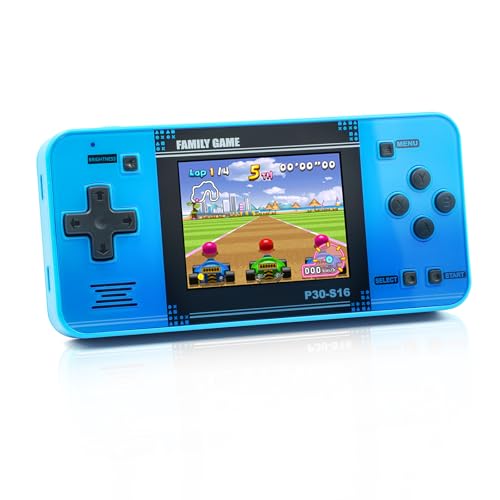
The P30S handheld console is designed for kids with a compact 3.0-inch color screen, ergonomic grip, and built-in speaker for immersive play. Preloaded with 220 games across various genres, it aims to sharpen hand-eye coordination, quick thinking, and problem-solving while providing a portable arcade experience. The device supports easy transport for travel or downtime in cars, classrooms, or at a friend’s house. Its kid-friendly design emphasizes simplicity and accessibility, making it a practical gift option for tactile, screen-based entertainment.
Key considerations: While the catalog includes classic and familiar titles, content varies by region and version. The rechargeable battery supports extended sessions, but parents should monitor charging cycles. The compact screen size is ideal for short play intervals and focused play sessions rather than long, immersive gameplay. Consider pairing with a small travel case to protect the device during trips.
Simon Micro Series: Compact Classic Play

The Simon Micro Series brings the classic pattern-matching challenge into a compact format. Players must watch a sequence of lights and sounds, then reproduce it by pressing the corresponding pads. The smaller unit preserves the familiar gameplay experience while offering portability and easy party appeal. It can be enjoyed solo or with others, making it a versatile addition to family game nights. The familiar format supports cognitive skills such as memory, attention, and sequential thinking in a lightweight, modernized form.
Key considerations: The micro version maintains the essence of the original Simon game, but some players may prefer the tactile feel of a larger unit. It’s well-suited for quick sessions and party games, yet results can depend on lighting conditions and sound levels in the playing area. For parents seeking nostalgia with a contemporary twist, this is a compact option that travels well and can provide quick bursts of cognitive challenge.
KingsDragon Gesture Robot: Programmable Fun

The KingsDragon RC Robot combines physical interaction with programmable movement. Gesture control allows kids to command the robot through hand motions, while infrared remote control provides alternative operation. The robot features optional autonomous displays and obstacle avoidance, bringing a sense of autonomy to play. With 50 programmable actions, children can design sequences that guide the robot through patrolling, dancing, walking, and more. The sturdy ABS construction and multi-joint design support durability for energetic play and ongoing experimentation.
Key considerations: Gesture and programming features offer engaging cognitive challenges, including sequencing and planning. Younger children may need guidance to maximize the robot’s potential, while older kids can dive into building custom action routines. The robot’s LED eyes add a playful visual cue that can enhance engagement. This product suits families seeking interactive tech that balances coding concepts with creative storytelling during playtime.
Buying Guide: Purchase Considerations And Comparisons
- Age suitability: Check recommended ages to ensure the toy matches a child’s developmental stage and safety needs. Some items target early learners, while others are geared toward older kids who can handle more complex instruction sets.
- Play value vs. learning value: Decide whether you want pure entertainment, hands-on STEM learning, or a mix. Products like Snap Circuits and LeapFrog blends both by building skills while keeping play engaging.
- Physical activity and space: For motion-based toys (like Nex Playground), ensure there is adequate space to play safely. Consider room layout and supervision levels, especially for younger children.
- Durability and materials: Look for sturdy plastics, accessible parts, and age-appropriate safety features. Durability matters for products intended for frequent use or travel, such as handheld consoles or robot toys.
- Expandable content and long-term engagement: Subscriptions or add-on game catalogs (as with Nex Playground) can extend playtime and learning. Consider whether ongoing content aligns with your family’s interests and budget.
- Portability and storage: Small handheld devices and compact games are convenient for travel and limited spaces. Plan for organized storage to keep components together and reduce misplacement.
- Parental involvement: Some toys benefit from guided play or shared activities, which can enhance learning outcomes and family bonding.
- Safety and supervision: While these toys are generally designed for home use, supervise younger children around small components, batteries, and electronic parts to prevent hazards.
- Budget alignment: Compare initial cost with potential ongoing costs (like subscriptions). Weigh the frequency of use and potential educational benefits when deciding value.