Best First Balance Bike Picks for Toddlers Learning to Walk and Ride
Choosing the right first bike for a toddler blends safety, growth, and fun. The following five balance bikes are designed for ages roughly 10 to 24 months and up to preschoolers, emphasizing balance, steering, and confidence without pedals. Each option keeps feet safe, uses sturdy frames, and supports indoor or outdoor play. Use this guide to compare features, adjustability, and riding comfort as your child grows.
Summary of chosen products:
- SEREED Baby Balance Bike for 1-2 Year Olds – 4 Wheels, First Bike for Toddlers (Green)
- SEREED Toddler Balance Bike 2 Year Old – No Pedal, 2-5 Years, White
- Gamfeiny Colorful Lighting Baby Balance Bike – 10-36 Months (No Pedal)
- SEREED Baby Balance Bike for 1 Year Old Boys/Girls – 12-24 Months (Black)
- newyoo Toddler Tricycle With Push Handle – 5 Modes, Khaki
SEREED Baby Balance Bike For 12-24 Months
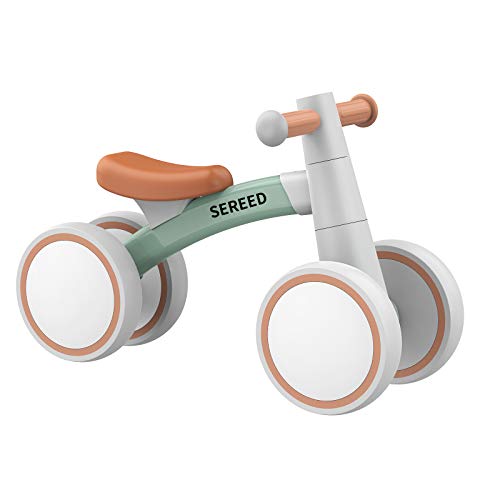
The SEREED four-wheeled balance bike is designed for toddlers aged 12 to 24 months. It prioritizes safe learning with no pedals, a widened closed wheel to prevent feet from getting pinched, and a gentle 135-degree steering limit. The aluminum alloy frame provides durability while maintaining a light feel for caregivers to move or carry. A soft seat supports comfortable rides on floors or outdoor surfaces, helping children build balance, coordination, and early confidence as they explore walking and gliding motions.
SEREED Toddler Balance Bike For 2-Year-Olds (White)

This model targets early balance training for children roughly 2 to 5 years old. Its carbon steel frame supports up to 110 lb, with a no-pedal design to teach balance and steering before transitioning to a pedal bike. Tool-free adjustment lets parents raise the seat from 12.6 to 17.1 inches and the handlebar height from 19.6 to 22.5 inches, ensuring the bike grows with the child. A decorative plate and stickers offer a personalized touch, making the bike appealing for kids entering the riding phase.
Gamfeiny Colorful Lighting Balance Bike

The Gamfeiny balance bike adds a colorful lighting feature on the rear wheel that activates by spinning—no batteries required. Suitable for ages 10 to 36 months, this no-pedal bike supports early walking and riding skills while boosting balance, steering, and self-confidence. With a safety-first design, it uses a widened wheel area to prevent feet from getting caught and limits steering to avoid side falls, creating a secure environment for first rides indoors or outdoors.
SEREED Baby Balance Bike For 12-24 Months (Black)

This black variant mirrors the 12-24 month design with a focus on safe, pedal-free riding. The 135-degree turning limit, gravity-steering features, and a sturdy aluminum frame combine to help little riders develop balance and coordination. The soft seat and non-slip handlebars contribute to a comfortable ride—whether inside a home or on a garden path—while the wear-resistant wheels minimize floor marks and scuffs as kids practice first glides.
newyoo 5-Mode Toddler Tricycle With Push Handle
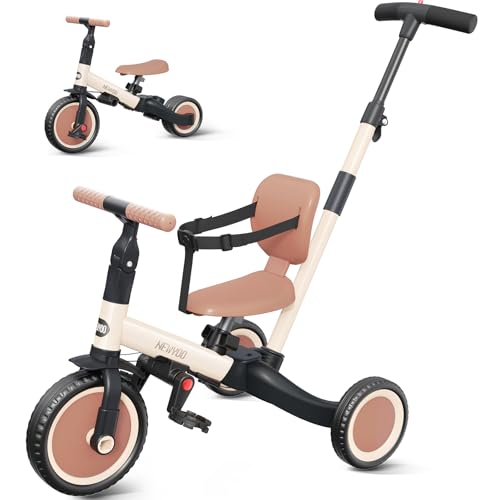
The newyoo model combines a tricycle and a balance bike concept with a push handle, enabling caregiver guidance during early riding experiences. It offers five modes to transition from push-assisted biking to independent riding. Adjustable seat, handlebar, and pedals allow the bike to grow with the child, accommodating ages from 1 to 3 years. The rotating push handle and safety features help parents guide early practice, reducing the risk of falls while encouraging balance and motor development.
Umatoll Colorful Lighting Balance Bike (12-24 Months)

The Umatoll balance bike emphasizes safety with a 135-degree steering limiter and fully enclosed wheels to prevent feet from getting pinched. The rear wheel lights up on motion, engaging toddlers and encouraging longer practice sessions. An adjustable seat accommodates growth from 12 to 24 months, and the non-slip handlebars along with a comfortable seat support confident, steady first rides indoors or outdoors in safe environments.
In evaluating these options, consider how your child learns best. If you want a quick transition from floor mobility to confident riding, opt for no-pedal bikes that emphasize balance first. If you anticipate longer outdoor sessions and want caregiver involvement, a model with a push handle or adjustable components may suit your family better. Weight, frame material, wheel type, and seat adjustability are the primary factors influencing comfort, safety, and future use as your toddler grows into a pedal bike.
Buying Guide: Key Purchase Considerations For A Toddler’s First Bike
Age and development alignment: Match the bike to your child’s current motor skills. For 10-24 months, balance bikes with no pedals are common starting points. For 2-3 years, models with adjustable height and longer seat ranges become useful as balance and confidence grow.
Safety features: Look for fully enclosed wheels or wide wheelbases, a limited steering angle (around 135 degrees), and a sturdy, lightweight frame. Soft seats and non-slip grips reduce discomfort and helps prevent slips during practice.
Adjustability: Seats and handlebars that adjust without tools or with minimal adjustments extend the bike’s usable life. This is especially important as your child’s height changes rapidly in the toddler years.
Weight and durability: Choose a lightweight frame (often aluminum) for easy maneuverability and carrying. Durable materials withstand indoor wear and outdoor surfaces like pavement and grass.
Wheel design and floor impact: Non-marking, wear-resistant wheels protect floors while offering a stable ride. Consider whether the bike will be used indoors, outdoors, or both.
Grow-with-you features: Some models include multi-mode configurations (push handles, convert-to-trikes, or adjustable pedals) that help families transition from guided riding to independent riding across stages.
Personalization options: Decorative plates or stickers can help toddlers feel a sense of ownership and excitement about their first bike.
Care and maintenance: Check for removable seats, easy-to-clean surfaces, and simple assembly. Ensure parts are readily available if replacements are needed as the child grows.
Price versus long-term value: While price is a consideration, think about how many years the bike will serve your child as they develop. A slightly higher upfront cost may yield longer use and better growth alignment.
All five options above emphasize safety, growth potential, and engaging design to encourage early riding experiences. When choosing, prioritize a model that offers predictable steering, comfortable seating, and a balance-first learning approach to maximize enjoyment and skill development for toddlers taking their first rides.