Best Japanese Toys for Kids: Top Picks for Play, Learning, and Culture
Discover a curated selection of Japanese-style toys that blend culture, creativity, and learning for children. From traditional dexterity games to 3D puzzles and interactive pretend-play sets, these options offer hands-on fun while introducing kids to iconic Japanese motifs. Each product below is chosen for engaging play, educational value, and safe, durable design suitable for American families.
| Product | Brand | Key Benefit |
|---|---|---|
| Daruma Otoshi Japanese Traditional Toy (7inch) | Tomerry | Classic balance game with a hidden storage hammer |
| Rolife 3D Wooden Puzzle Lucky Cat | Rolife | Decorative Maneki Neko puzzle that builds fortune symbolism |
| 30 Pack Squishy Toys | Mantyplay | Colorful, collectible mini squishies for parties and classrooms |
| Funpynani Sushi Slicing Play Food Set | Funpynani | Color-changing LED sushi play for visual learning |
| Cat Stealing Money Bank (Orange) | HmiL-U | Engaging talking piggy bank to teach saving habits |
Daruma Otoshi: Classic Japanese Stacking Challenge

The Daruma Otoshi game by Tomerry presents a traditional Japanese dexterity challenge. Players remove lower pieces one by one using a hammer to carefully move the top Daruma figure downward without tipping the stack. The game doubles as a decorative piece when not in use, stored with the hammer inside the top piece. This fusion of play and display makes it a charming choice for kids exploring culture through hands-on activity. Safe wooden construction supports repeated play and family-friendly competition.
Rolife 3D Wooden Puzzle Lucky Cat

The Rolife 3D wooden puzzle features a Japanese Maneki Neko, commonly believed to invite fortune and good luck. The 72-piece kit comes with pre-cut sheets, a clear manual, and a round bell; no glue is required. Assembles into a decorative display that doubles as an auspicious desk accent. Made from natural plywood, the kit emphasizes a lightweight, eco-friendly build suitable for ages 8 and up, offering a tactile introduction to puzzle-building and cultural symbolism.
30 Pack Squishy Toys: Kawaii Collection

These Mantyplay squishy toys bring a lively, randomized assortment of mini kawaii figures—animals, fruits, and more—in compact 1–2 inch sizes. Packaged as 30 pieces, they serve as classroom treasure box prizes, party favors, or stocking stuffers. Each toy is individually wrapped, making them easy to distribute. The variety supports sensory play, fine motor skills, and stress relief, appealing to a broad age range and adding a playful touch to celebrations and classroom activities.
Funpynani Sushi Slicing Play Food Set

The Funpynani Sushi Slicing Play Food Set offers 34 pieces of pretend sushi with LED color-changing surfaces. The set uses ABS materials to ensure durability and safety, incorporating a velcro design for realistic slicing. The LED glow enhances engagement, aiding color recognition and fine motor development. The included accessories support imaginative play in a home kitchen or classroom pretend-lab setting, making it a versatile learning toy that simulates real-world culinary activity.
Cat Stealing Money Bank: Interactive Piggy Bank
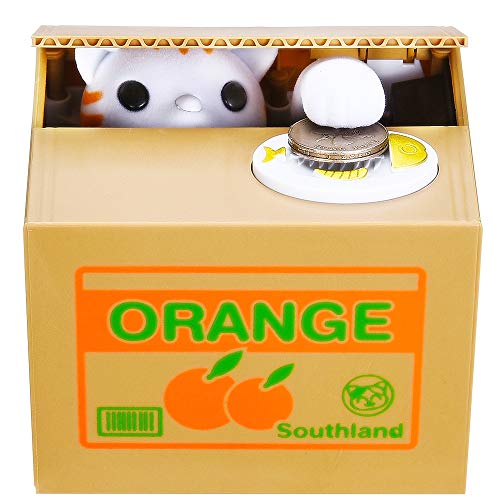
This automatic piggy bank includes a playful cat or panda design and a reassuring voice feature. When coins are placed on the plate, the bank says “Hello,” and when money is taken, it says “Thank you.” The device offers a engaging way to teach saving habits to children while adding interactive storytelling to money management. With a compact size and a large coin capacity, it supports ongoing use as kids learn to budget and save.
Interactive Sushi Bar Playset With Conveyor Belt

The KiddoKraft Sushi Bar Playset recreates a vibrant Japanese restaurant environment with a rotating conveyor belt, lights, and sounds. The set includes sushi rolls, chopsticks, soy sauce, bowls, and a sake set for immersive role play. The included cash register with light-up buttons supports pretend purchases and basic counting, promoting social interaction, turn-taking, and cognitive development. The belt rotates manually, ensuring safe, battery-free operation for ages 3 and up.
Buying Guide: Key Purchase Considerations
When choosing Japanese-inspired toys for kids, consider the following factors to ensure value, safety, and educational benefit:
- Age appropriateness: Look for clearly stated age ranges and small parts warnings. Many of these products suit ages 4–12 with growing complexity for older kids.
- Educational value: Favor toys that encourage fine motor skills, problem-solving, cultural awareness, and language exposure through storytelling or instructions in Japanese cues.
- Durability and safety: Check material quality (wood, BPA-free plastics), non-toxic paints, and sturdy construction for long-term play and cleaning ease.
- Play style: Consider whether the toy supports independent play, cooperative group activities, or classroom use. Some pieces are better for solo exploration, others for social interaction.
- Storage and space: Traditional stacking and puzzle sets often come with compact storage; ensure there’s a convenient place to keep pieces together.
- Decorative value: Some items function as both toys and decorative accents, appealing to kids’ rooms and shelves while sparking cultural interest.
- Maintenance and safety features: Check for easy-clean surfaces, age-appropriate LEDs or moving parts, and any battery-free designs where possible for reliability.
- Educational alignment: If a child is learning about Japan or language basics, look for cues like familiar motifs (Maneki Neko, sushi) integrated into the play experience.
These considerations help balance fun with learning while ensuring safe, engaging experiences across diverse play styles and environments.