Best Learning Tools for Kids to Boost Reading, Writing, and Math Skills
Parents and teachers are continually searching for effective, engaging tools to support early learning. This article highlights five educational products designed to help kids build essential reading, writing, and numeric skills. Each item is evaluated on its core features to help caregivers choose the best fit for home study or classroom use.
| Scholastic Flash Cards: Sight Words | Scholastic | Sight word flash cards for quick recognition. |
| 100 Words Kids Need to Read by 1st Grade | Scholastic Teaching Resources | Reinforces 100 essential words with stories, riddles, and puzzles. |
| Magic Practice Copybook | ESAUYB | Reusable, three-dimensional grooves and magic ink for practice. |
| Flash Cards: Numbers 0 – 100 | Scholastic Teaching Resources | Double-sided, durable number flash cards. |
| JuneLsy Pencil Grips | JuneLsy | Ergonomic grips for proper writing posture. |
Best Sight Word Flash Cards For Confident Reading

Scholastic Flash Cards: Sight Words focus on essential vocabulary kids encounter in beginner reader texts. The cards are designed to support rapid word recognition, a foundational skill for reading fluency. Teachers and parents can use them for quick daily practice or integrated literacy activities. Because the cards emphasize high-frequency words, children can build a robust mental lexicon that supports both decoding and comprehension. This set is compact enough for travel and durable enough for classroom use, making it a versatile tool for early literacy progress.
Essential Word Practice For First Graders

100 Words Kids Need to Read by 1st Grade provides targeted practice with the 100 most important sight words. The workbook format reinforces recognition through fill-in-the-blank stories, sentences, word riddles, games, and puzzles. This approach blends repetition with engaging activities, helping students internalize essential vocabulary while maintaining motivation. It’s suitable for guided practice or independent learning and aligns with typical early-grade reading objectives.
Reusable Practice Copybooks For Handwriting And More

Magic Practice Copybook from ESAUYB offers large, reusable writing pages with three-dimensional groove designs to guide letter formation. The kit includes five copybooks covering addition, multiplication, numbers, alphabet, and drawing, plus pens and refills. The ink is designed to fade after about 30 minutes, enabling repeated practice without waste. The copybooks’ thick, durable paper resists smudging, and the silicone pen holder is child-safe. This set is ideal for teaching handwriting, basic math symbols, and early calligraphy skills in a low-pressure format.
Number Fluency With Durable Flash Cards

Flash Cards: Numbers 0 – 100 from Scholastic Teaching Resources help children build early math fluency. The double-sided design increases practice opportunities without extra materials. The heavy-duty cardstock ensures durability, and the plastic coating protects color fidelity during repeated use. Teachers and parents can structure quick number sense activities, counting drills, and number recognition challenges around this set. It is well-suited for classroom centers or focused home practice sessions to reinforce numerical comprehension.
Developmental Pencil Grips For Small Hands
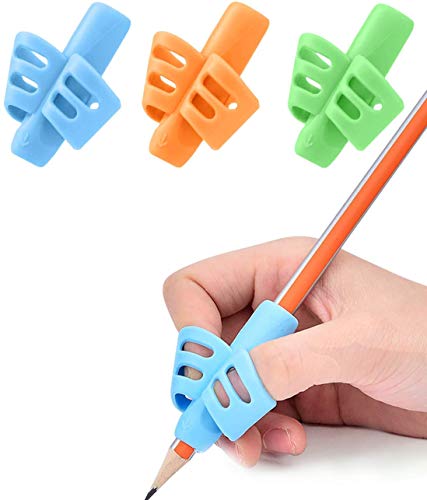
JuneLsy Pencil Grips are designed to support proper pencil grasp and handwriting posture. The grips fit small hands and are suitable for children aged 3-7, helping to prevent finger cocooning and cramping during writing tasks. Regular use can promote steadier handwriting, reduce fatigue, and improve letter formation. This tool pairs well with early literacy activities and copybook practice, providing a simple, ergonomic aid for beginners who are learning to write with a comfortable, correct grip.
Teaching Clock For Early Time-Ttelling

Learning Resources Big Time Mini Clock helps young learners grasp time concepts through hands-on manipulation. The clock features hidden gears to maintain accurate movement as kids spin the hands, and color-coded hour and minute hands reinforce proper matching to the dial. This tactile learning tool supports math readiness and daily routines, enabling students to practice telling time through interactive play and guided activities. It’s a solid choice for classroom centers or family math stations focused on time literacy.
Buying Guide: Key Purchase Considerations For Learning Tools
- Skill focus: Identify whether the product targets reading, writing, math, or a combination. Visual flash cards boost recognition, while workbooks and copybooks support sustained practice and handwriting development.
- Age and reading level: Check recommended age ranges and grade levels. Some items are ideal for preschoolers learning letters, while others suit early readers or elementary learners building fluency.
- Engagement and durability: Durable materials, reusable formats, and engaging activities help sustain motivation. Double-sided flash cards and wipe-clean pages are practical for repeated use.
- Progress tracking: Look for tools that offer clear progress cues—riddles, puzzles, or guided activities—that reveal mastery or identify gaps for targeted practice.
- Safety and accessibility: Ensure writing aids use kid-safe materials, especially for younger children who explore with hands and mouths. Ergonomic grips and non-toxic ink are important considerations.
- Parental and teacher guidance: Structured activities or teacher resources can support at-home learning consistency and classroom integration.
- Price and value: Compare kit contents and longevity. A larger set with multiple components (handwriting, numbers, and word practice) may offer better long-term value than single-focus items.
- Integration with daily routines: Tools that tie into everyday activities (reading time, math corners, handwriting practice) encourage consistent usage and habit formation.
In sum, selecting learning tools for kids involves balancing initial appeal with long-term educational value. The featured products cover reading readiness, vocabulary development, handwriting practice, early math, and time-telling skills—key areas for building foundational academic confidence. When combined in a purposeful learning plan, these resources can support steady progress across literacy and numeracy while keeping young learners engaged and motivated.