Best Sensory Chairs for Autism: Calming Spin, Sit, and Balance Solutions
The right sensory chair can support kids with autism by providing calming proprioceptive input, improving balance, and aiding focus during therapy, school, or home activities. This guide highlights five highly relevant chairs designed for autistics and neurodiverse kiddos, focusing on safety, durability, and engaging design. Each product blends vestibular input with sturdy construction to help develop body awareness and coordination.
| Product | Brand | Age/Use | Key Benefit |
|---|---|---|---|
| Pterying 21″ L × 19″ W Large Spinning Chair | Pterying | Toddlers–Kids | Vestibular development and multiple play modes |
| Zhenx Spinning Chair for Autistic Kids | Zhenx | 3–18+ Years | Directional balance, concentration, and safe rotation |
| FERUERW Spinning Chair for Autistic Kids | FERUERW | 3+ Years | Motor coordination and left-right brain development |
| TED KANGAROO Sensory Soft Squeeze Seat | TED KANGAROO | All ages (as therapy aid) | Full-body calming compression and reset motion |
| HAPPYMATY Fish-Shaped Sensory Chair | HAPPYMATY | Kids | Relieves motion sickness, enhances balance, and strength |
Pterying 21″ Large Spinning Chair

The Pterying spinning chair is designed by pediatric occupational therapists to support vestibular development. It specifically addresses motion-related discomfort and attention challenges by offering a rotating platform that can be used while seated, kneeling, or lying down. The chair features thickened edges for safe handling and a sturdy base capable of supporting up to 150 pounds. Built with premium PP material, it resists heat and corrosion, making it suitable for both indoor and outdoor use. This multi-functional option helps children engage in balance and body awareness activities in a compact size.
Zhenx Spinning Chair for Autistic Kids

The Zhenx swivel chair is designed to enhance direction sense, balance, and concentration through varied spinning motions. It supports up to 220 pounds with a sturdy metal base and non-slip feet for stability. The chair uses high-quality polyethylene to ensure a smooth 360-degree rotation while remaining easy to clean. Its scientific design prioritizes comfort and safety, allowing children to explore rotational play as part of sensory integration activities in different environments.
FERUERW Spinning Chair for Autistic Kids
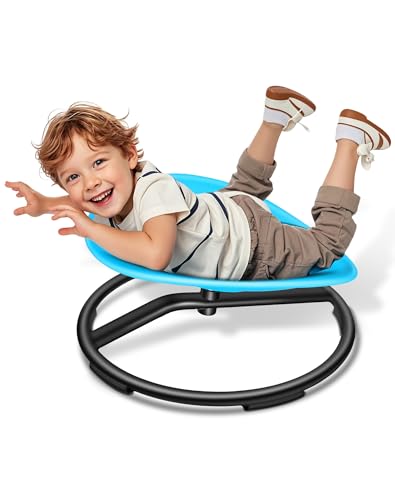
The FERUERW chair emphasizes safe spinning with a metal anti-slip base and robust welding, supporting up to 100 kilograms. Its child-friendly, compact design pairs visual appeal with functional training of balance and coordination. The ergonomic shape and durable materials are intended for long-term use in therapy sessions or at home, providing dependable vestibular input that can help regulate sensory processing and attention during activities.
TED KANGAROO Sensory Soft Squeeze Seat

The Ted Kangaroo seat provides full-body compression, offering a calming proprioceptive input that supports emotional regulation. Its rock-and-reset motion helps kids refocus during breaks or transitions, making it a practical tool in classrooms or therapy rooms. The washable cover increases practicality for frequent use, while the seated design makes it accessible for children who might struggle with larger chairs. It serves as a versatile calming option for home and school settings alike.
HAPPYMATY Fish-Shaped Sensory Chair (Blue)

HAPPYMATY’s fish-shaped chair combines motion with a comfortable, kid-friendly aesthetic. It is designed to relieve motion sickness and improve overall balance and body awareness. The chair’s durable metal base and non-slip design support up to 220 pounds, making it suitable for various ages and activity levels. Its engaging shape can attract interest and encourage extended play that includes motor control and posture training in both indoor and outdoor settings.
Buying Guide: Key Considerations For Sensory Chairs
When choosing a sensory chair for autism, consider vestibular input, safety, durability, and how the chair fits into your space and therapy goals. Here are some important factors:
- Vestibular and proprioceptive benefits: Look for chairs that offer rotation, rocking, or multi-directional movement to promote balance and body awareness.
- Safety and weight capacity: Prioritize sturdy bases, anti-slip feet, and materials that can withstand frequent use. Verify weight limits to ensure suitability for the child’s size and growth.
- Durability and materials: Choose durable plastics, metal bases, and easy-to-clean fabrics or coverings for regular use in homes and classrooms.
- Adjustability and versatility: Some chairs adapt to different positions (sitting, kneeling, lying down) or provide handles and grips to support safety and independence.
- Maintenance and portability: Consider whether the chair is easy to move, clean, and store, especially in shared spaces like classrooms or therapy rooms.
- Aesthetic appeal: Child-friendly shapes and colors can enhance engagement, reducing resistance to participation in sensory activities.
- Therapy alignment: Align product features with therapy goals such as motor coordination, attention, or sensory regulation to maximize the benefit.
Usage Scenarios And Depth Of Benefit
Sensory chairs can be used in a variety of settings to support daily routines, therapy sessions, or classroom activities. For example, a child may benefit from a gentle rocking motion during transitions to improve focus, or from a spinning chair to practice balance and core strength in a structured play session. In some cases, full-body compression seats provide a calming input that helps regulate emotions before or after challenging tasks. Selecting the right chair often depends on the child’s age, preferences, and specific sensory needs, as well as the available space and supervision level.
Safety And Practicality Considerations
Safety features such as anti-slip bases, rounded edges, and robust joints are essential. Ensure the chair is used under supervision when necessary and that the space around the chair is clear of hazards. For younger children, chairs with easier grip handles and slower rotation can reduce risk while still delivering meaningful sensory input. Regular inspections for wear and tear will help maintain a safe, therapeutic environment over time.