Best Toys for Nonverbal Autistic Children: Calming, Engaging Options for Daily Play
Choosing toys for a nonverbal autistic child involves focusing on sensory engagement, communication supports, and safe, durable design. The following selections emphasize tactile feedback, visual and auditory cues, and opportunities for interactive learning without overwhelm. Each product is designed to support sensory regulation, fine motor skills, and imaginative play in a safe, age-appropriate way. This guide highlights five items that have proven useful for many families seeking supportive, developmentally appropriate play.
Summary of chosen products
| Product | Brand | Core Benefit | Notes |
|---|---|---|---|
| Cevioce Fidget Slug Toy 3Pcs | Cevioce | Stress relief, hand exercise, portable tactile toy | Multi-part design encourages manipulation and focus |
| Subao 14″ Soft Star Night Light | Subao | Soothing lights and music for calming sleep routines | Soft plush, color-changing glow, music modes |
| Scientoy Fidget Toy Set | Scientoy | Variety for sensory exploration and focus | Large set with safe, durable ABS/plastic toys |
| Joyreal AAC Device | Joyreal | Nonverbal communication support, programmable buttons | Portable and adjustable for therapy or home use |
| Aullsaty Talking Flash Cards | Aullsaty | Augmented learning with sight words and sounds | Montessori-inspired for language exposure |
Cevioce Fidget Slug Toy 3Pcs
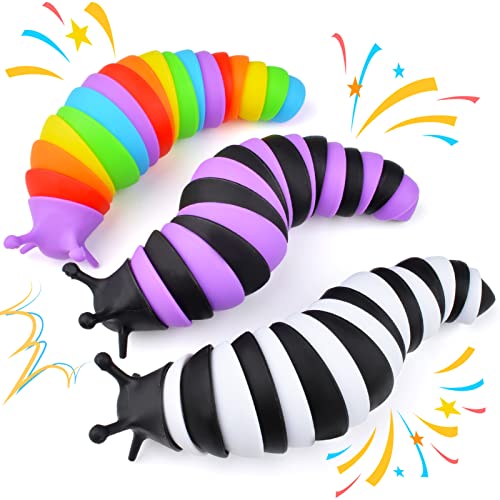
The Cevioce fidget slug set offers tactile and auditory feedback that can aid sensory regulation and focus. The toy’s flexible body and crisp sounds provide a decompression experience when touched or squeezed. Its compact size makes it easy to carry during travel or daily routines, supporting moments of calm when a child might feel overwhelmed. Beyond stress relief, the slug toy can help build hand strength and finger dexterity through repeated, small movements. The design emphasizes portability and simple, intuitive use, which can be beneficial for nonverbal children who respond to sensory cues.
As a nonverbal child explores the slug’s articulated segments, caregivers can observe which manipulations seem most engaging, providing an avenue to introduce simple communication gestures or choices. While designed for kids, the toy’s utility extends to adults who experience sensory overload or need a portable decompression tool at work. The toy’s materials prioritize safety, and its play pattern aligns with short, repeatable sessions that can become part of a routine. For families seeking a discreet, versatile sensory tool, this set provides multiple options in one package.
Subao 14-Inch Soft Star Night Light

Subao presents a 14-inch soft star pillow featuring gentle lights and music designed to soothe children during calm-down times or bedtime. The combination of soft fabric, cuddly shape, and color-changing glow can create a comforting ambiance that reduces anxiety and promotes relaxation. The included music options—ranging from lullabies to white noise—offer versatility for different sensory needs and daily schedules. The plush construction provides a comforting tactile experience, encouraging hugging and close contact, which can be beneficial for children who seek secure, soft textures.
Designed with safety and softness in mind, this star-shaped pillow serves as a multitool for sensory regulation. It can function as a night light, a cuddle object, or a travel companion. For nonverbal children, the calming visuals and music can help establish predictable routines that support communication initiatives, such as pointing to buttons or indicating preferred scenes. This product is suited for bedrooms, playrooms, or quiet corners where a child may need to decompress after social activities or overstimulating events.
Scientoy Fidget Toy Set, 35 Pcs
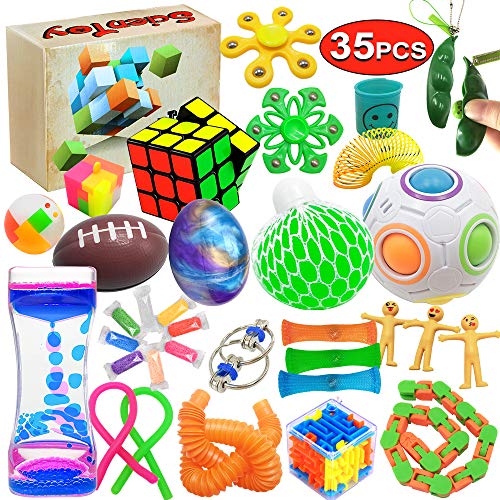
The Scientoy 35-piece fidget set offers a wide array of sensory tools designed to support focus, anxiety reduction, and fine motor development. Included items range from smaller, portable pieces to larger, squeezable forms, providing multiple textures and forms of engagement. The set uses safe ABS materials and is designed to meet standard safety guidelines for children and adults with sensory needs. With a gift-ready presentation, it’s positioned as a versatile toolkit for classrooms, therapy sessions, and home use.
For a nonverbal child, the variety of textures, shapes, and stimuli means caregivers can rotate activities to maintain novelty while avoiding overstimulation. The bundle supports structured play, where a parent or therapist guides the child through a sequence of squeezes, twists, and flips, potentially reinforcing communication rituals like eye contact or pointing to preferred tools. The safety and durability of the materials add to its suitability for repeated daily use.
Joyreal AAC Device

The Joyreal AAC device provides a practical nonverbal communication solution through programmable buttons and accessible design. With 24 pre-installed instructions and six programmable buttons, it enables quick, easy communication of common needs, emotions, or preferences. The ability to record personalized messages with a caregiver’s voice can enhance intelligibility and reduce frustration for nonverbal users. Adjustable volume and portability make this device suitable for travel, therapy sessions, or classroom settings.
Key considerations for families include the device’s durability, ease of use, and the ability to store and access frequently used phrases. The inclusion of a lightweight case helps with on-the-go use, and the device can be integrated with daily routines to reinforce consistent communication cues. While technology is a helpful tool, it is most effective when paired with consistent therapy or caregiver guidance to optimize communication outcomes and reduce potential frustration during early communication attempts.
Aullsaty Talking Flash Cards

The Aullsaty talking flash cards combine Montessori-style language exposure with engaging visuals and sounds. The 248 sight words span multiple subjects, offering a broad vocabulary foundation for early language development. The cat-card reader and vehicle sounds provide a playful entry point to speech therapy activities, encouraging imitation and sound association. The cards are designed for easy handling by small hands, with volume controls and a repeat feature to support practice and retention. This tool is particularly useful during therapy sessions or quiet learning periods at home.
For nonverbal children, these cards can serve as a bridge to spoken language by pairing visual cues with auditory modeling. Caregivers can model simple words and phrases, prompting the child to respond with gestures, eye contact, or button presses on compatible devices. The combination of play and education supports a structured yet enjoyable approach to language emergence, which can be integrated into daily routines and learning activities.
Buying Guide: Key Purchase Considerations For Nonverbal Autistic Children
- Sensory profiles and tolerance: Children vary widely in sensory processing. Toys should offer adjustable levels of visual, auditory, and tactile input and be easy to pause or stop if overstimulation occurs.
- Safety and durability: Look for BPA-free materials, smooth edges, washedable fabrics, and shatter-resistant plastics. Durable designs reduce the need for frequent replacement from active play.
- Communication support: For nonverbal users, devices with programmable buttons, picture-auditory prompts, and simple interfaces can provide meaningful ways to communicate needs and preferences.
- Portability and routine integration: Tools that are compact and easy to incorporate into daily routines—meals, bedtime, travel—increase consistency and likelihood of regular use.
- Variety without overwhelm: A curated set of toys with varied textures, sounds, and motions helps maintain engagement without triggering sensory overload. Rotating toys can preserve interest.
- Educational alignment: Montessori and sensory-focused toys support fine motor development and cognitive skills. Choose items that align with therapy goals or home routines.
- Accessibility of instructions: Clear, simple usage instructions help caregivers implement activities consistently. Look for products with intuitive designs or guided play ideas.
- Therapy integration: Where possible, select tools that can be used in collaboration with therapists or teachers to reinforce goals in multiple environments.
In applying these considerations, families should prioritize products whose features align with the child’s current communication abilities, motor skills, and comfort levels. A balanced mix of calming sensory tools, interactive devices, and language-building aids can create a comprehensive play-and-learn environment that supports development across domains. Always supervise initial use to ensure safety and to tailor activities to the child’s unique preferences and responses.