Best Board Games for Kindergarten: Top Picks for Learning and Fun
Choosing age-appropriate board games helps kindergartners develop social skills, basic math, reading readiness, and fine motor coordination. The following selections are timeless, easy to learn, and designed to keep little players engaged while parents and caregivers enjoy family time. Each game emphasizes gentle competition, clear rules, and short play sessions that fit a typical preschool schedule. Below is a quick summary of five standout options, chosen for accessibility, durability, and broad kid appeal.
| Product | Brand | Why It’s Great For Kindergarten |
|---|---|---|
| Don’t Break The Ice | Hasbro Gaming | Early dexterity and turn-taking with a simple, engaging premise. |
| Connect 4 Classic Grid | Connect 4 | Color recognition, strategy basics, and friendly competition. |
| Trouble | Hasbro | Easy setup, action-based movement, and shared laughter. |
| Candy Land Kingdom Of Sweet Adventures | Hasbro Gaming | Classic, low-reading-path game with simple rules and delightful visuals. |
| Zingo | ThinkFun | Vocabulary and quick-thinking puzzle play for pre-readers and new readers. |
Don’t Break The Ice

The Don’t Break The Ice game is a preschool-friendly challenge that centers on careful block removal. Players tap out ice blocks one by one, aiming to keep Phillip the Penguin on top as the ice becomes unstable. This encourages steady hands, focus, and gentle risk-taking—perfect for kindergarten play. The game’s simple objective—avoid the penguin’s fall—helps children understand turn-based play and patience as the structure changes with each move.
Designed for 2-4 players, it supports small-group interaction, conversations, and turn-taking. The tactile nature of tapping ice blocks provides a touching, memorable experience, making it a staple for indoor afternoons, classroom centers, or family game nights. While the rules are straightforward, shy players can benefit from a supportive partner in the group to model social interaction and fair play.
Connect 4 Classic Grid
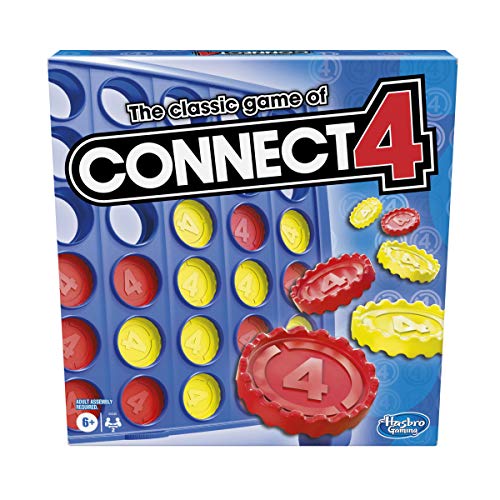
Connect 4 is a colorful, two-player strategy game that remains a classroom favorite for young learners. The objective is to connect four discs in a row—horizontally, vertically, or diagonally. The game builds visual pattern recognition, planning, and early math concepts like sequencing and counting. Its fast rounds help maintain attention and provide quick, repeated opportunities for social interaction, fair competition, and cooperative strategy discussions.
With a modern design and vibrant discs, the game keeps young children engaged while reinforcing turn-taking and sportsmanship. It’s a compact option for snack-time play, a reading corner activity, or a quick break during transition periods in kindergarten settings.
Trouble
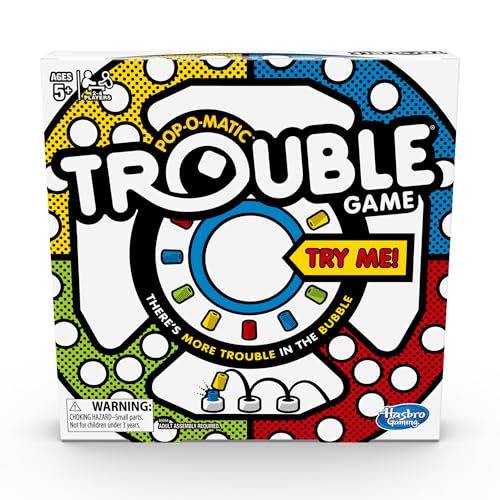
Trouble invites kids into a simple, fast-paced race around the board. The distinctive popping mechanism adds a playful sensory element, making the progression exciting for early learners. The main goal—be the first to move all your pieces around the board—introduces basic counting and spatial awareness. The game is straightforward to learn, which helps new readers or pre-readers participate with minimal support, promoting inclusion in group play and building confidence in social interaction.
Power-up variants can add a mild layer of challenge for older kindergarteners, while the classic version remains perfect for younger players. It’s well-suited for classroom centers and family nights, where quick rounds keep energy positive and engagement high.
Candy Land Kingdom Of Sweet Adventures

Candy Land Kingdom Of Sweet Adventures brings a timeless beginner experience to kindergarten classrooms or family game nights. No reading is required to play, making it ideal for early readers and pre-readers alike. Players move their gingerbread pawn along a bright path, racing toward the castle while encountering cheerful surprises along the way. The simple path-driven mechanics teach turn order, color recognition, and basic probability considerations as children anticipate the next color draw.
The themed Kingdom of Sweet Adventures adds a lively narrative layer to the classic Candy Land concept, helping kids immerse themselves in imaginative play while practicing patience and social interaction. It’s a gentle stepping stone toward more complex board games as children grow more confident in reading and counting skills.
Zingo

Zingo is a winner for preschool and early elementary classrooms seeking fast-paced word recognition and matching. The game pulls players into a quick-pace slip-and-match experience that builds language and cognitive skills. With space for up to seven players, Zingo can adapt to various learning environments, from small circles to larger groups during free-choice centers. The included Zinger device adds a fun, tactile element that excites learners while keeping the pace brisk and engaging.
Designed for children age four and up, Zingo supports emergent literacy, visual discrimination, and rapid recall. It’s a practical choice for centers focusing on vocabulary development, phonemic awareness, and early reading readiness, all in a cooperative, non-competitive atmosphere.
Buying Guide: Key Purchase Considerations For Kindergarten Board Games
- Age appropriateness and difficulty: Look for simple rules, short play times, and components kids can handle without frustration. Games that reinforce basic literacy, numbers, colors, and shapes align well with early learning goals.
- Social and emotional development: Favor games that emphasize turn-taking, fair play, cooperation, and positive interactions. The best games provide opportunities for kids to practice communication and sharing.
- Durability and safety: Choose sturdy materials with rounded edges and non-toxic components suitable for frequent handling by young children. Easy-to-clean surfaces are a plus for classroom use.
- Educational value: Prioritize games that subtly teach reading readiness, counting, pattern recognition, and vocabulary while keeping the experience fun and engaging.
- Portability and storage: Compact, self-contained games are ideal for classrooms, daycare centers, or travel. Consider games with built-in storage to minimize ongoing setup time.
- Replayability: Games with scalable difficulty or multiple strategies can extend interest as children grow. Look for titles that still feel fresh after several plays.
- Adaptability for groups: Some games support 2 players, while others accommodate larger groups. Choose based on the typical class size or family play setup.
- Theme and visuals: Bright, friendly artwork and familiar characters help maintain engagement and reduce anxiety for new players.
Note: This article focuses on objective features and learning benefits. No prices are included and no endorsements are implied beyond listed product information.