Best Bicycles for 2-Year-Olds: Top 5 Multi-Mode Ride-on Options
Choosing the right ride-on for a toddler around two years old means balancing safety, growth potential, and ease of use. The following five products are selected for their multi-mode designs, adjustable features, and age ranges that cover late toddler years into early preschool. Each option supports balance, steering, and coordination development, while offering transitions to pedals as kids grow. This guide highlights features, care considerations, and what to look for when selecting a ride-on for a 2-year-old.
| Product | Brand | Age Range | Type |
|---|---|---|---|
| JMMD Toddler Bike with Push Handle | JMMD | 18–60 months | 6-in-1 Push Bike |
| KRIDDO Toddler Balance Bike | KRIDDO | 24–60 months | Balance Bike |
| Baby Balance Bike Toys | Bobike | 12–36 months | Balance Bike (No Pedals) |
| Radio Flyer Red Rider Trike | Radio Flyer | 2.5–5 years | Three-Wheel Trike |
| besrey Toddler Tricycle | besrey | 18–60 months | Tricycle with Folding Mode |
The products below are organized to help you compare multi-mode options, balance focus, safety features, and growth potential. Each section provides a concise overview, with emphasis on how the design supports early riding skills and transitions to pedal bikes.
JMMD 6-in-1 Push Bike With Training Wheels

The JMMD bike grows with the child, transitioning from parent-push mode to multiple riding configurations as balance and confidence increase. The design covers ages 18 to 60 months, making it a single investment for several developmental stages. A 135-degree adjustable push handle helps parents control speed and direction, while the height-adjustable seat and handlebar accommodate growth. The aluminum frame and 12-inch puncture-proof wheels emphasize stability and safety, with a 60-degree steering limiter to minimize sudden turns. A chain-free gear system reduces potential finger entanglement, contributing to safer practice for beginners.
Key considerations for this option include the versatility of transforms and the importance of proper assembly. Parents should ensure the seat height is matched to the child’s inseam and that the push handle is properly secured before use. This model is well-suited for early walking-to-riding transitions and can be a single purchase that covers multiple years of development.
KRIDDO Toddler Balance Bike

This balance bike is designed to help toddlers learn balance and steering through active play. It features a removable customizable plate with stickers, allowing kids to personalize the bike while engaging in imaginative play. The balance-focused design reduces the risk of knee and ankle interference during early rides, with a sturdy carbon-steel frame that supports up to 110 pounds. Soft-grip handlebars and a soft PU seat contribute to comfort during practice sessions. A key benefit is the emphasis on balance before pedaling, potentially easing the transition to a traditional bicycle later on.
When choosing this option, look for a wheel size appropriate to the child’s height and ensure the handlebars can be adjusted if seat height changes. The included customization plate can be a meaningful way to increase engagement and independence during training sessions.
Bobike Baby Balance Bike Toys

Designed as a starter ride for the very youngest riders, this balance bike emphasizes balance basics and safe handling. Certification considerations like ASTM F963-11 and EN71 indicate a commitment to safety standards. Wide, fully closed wheels reduce the risk of foot injury, while the 135-degree steering limit helps prevent side tipping. The steel frame, cushioned seat, and non-slip wheels support new walkers and early riders as they explore balance on wheels. This option is ideal for toddlers who are ready to practice balance before pedaling, especially on smooth surfaces and low-traffic areas.
Parents should supervise initial sessions, focusing on safe speed control and steady steering. The product excels as a crib-to-bike transition aid, particularly in households prioritizing safety certifications and simple, predictable handling.
Radio Flyer Red Rider Trike
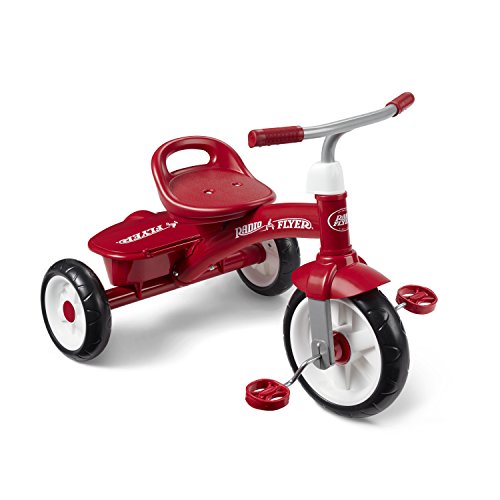
The Red Rider Trike is a classic three-wheel option designed for beginners aged about 2.5 to 5 years. It emphasizes a comfortable ride with a durable steel frame, an adjustable seat, and a quiet ride tire design. An included storage bin offers a way for kids to transport small treasures on rides, supporting independence and imaginative play. For parents, the trike’s light weight and portability make it easy to bring to parks or visits, while the enclosed design provides additional safety for young riders.
In selecting this model, consider whether the child is ready for a three-wheel configuration versus a balance-only approach. This trike fits households seeking a traditional trike with easy entry and a familiar riding experience, and it pairs well with early social play, including sharing and taking turns on rides.
besrey Toddler Tricycle With Folding Mode
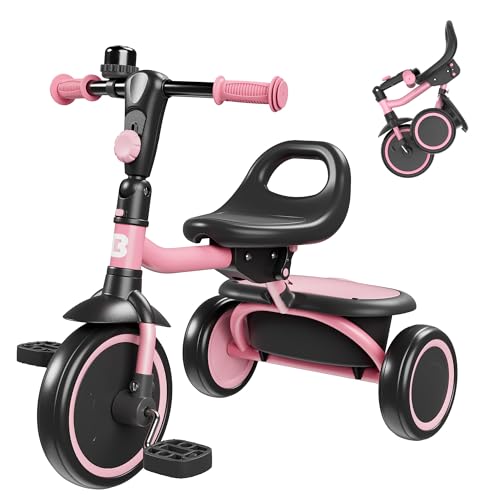
Besrey’s toddler tricycle stands out for its 2-in-1 capability: a traditional riding mode and a folding mode for storage and transport. Suitable for ages 18 months through 5 years, this bike supports early riding skills while offering practical benefits for families with limited space or frequent travel. The wide rear wheels and triangular frame contribute to rollover resistance, aiding stability as kids learn steering and braking. The folding feature adds versatility, enabling easy packing in cars and apartments without sacrificing ride quality.
When evaluating this option, consider how often you need the folding feature and whether you’ll benefit from quick storage. This model appeals to households seeking a transition-friendly ride-on with adaptable use for multiple environments.
Buying Guide: Key Purchase Considerations
Choosing the right ride-on for a 2-year-old involves evaluating safety, growth potential, and practicality. Here are some critical considerations:
- Age and height suitability: Look for adjustable seats, handlebars, and push handles to ensure a comfortable fit as your child grows.
- Balance-first approach: For early riders, balance bikes without pedals help develop core balance and steering. Pedal-ready options should offer a smooth transition when your child is ready.
- Stability and safety features: A wider wheelbase, low center of gravity, safety certifications, and a steering limiter can reduce tipping risks and improve control during early practice.
- Weight and portability: Lighter bikes are easier for parents to transport to parks or playdates, while folding modes can simplify storage in small spaces.
- Durability and materials: Steel and aluminum frames with puncture-resistant wheels tend to last longer and withstand outdoor use, especially on varied surfaces.
- Customization and engagement: Personalization options (stickers or plates) can boost a child’s enthusiasm and sense of ownership, promoting more practice sessions.
- Maintenance considerations: Fewer moving parts and tool-free height adjustments reduce maintenance time, making it easier for busy families to keep the bike in good condition.
These products collectively offer a range of pathways from first balance experiences to pre-pedal riding. Safety, adjustability, and the potential to adapt to growing riding skills are the core factors to weigh when selecting the best option for a specific child and household.