Best Brain-Boosting Toys for 1-Year-Olds and Toddlers
Parents seeking development-focused play can turn to wooden sorting puzzles, shape sorters, and interactive books that support early cognitive skills. This guide highlights five top-rated toys that encourage color and shape recognition, fine motor development, language exposure, and problem-solving for 12- to 36-month-olds. Each pick emphasizes safe materials, age-appropriate challenges, and engaging design to help little learners build a solid foundation for later learning.
Summary of chosen products:
| Product | Key Benefit | Age Range |
|---|---|---|
| PEBIRA Montessori Toys | 20-piece color, shape, and number matching puzzle | 1-3 years |
| kecristv Montessori Toys | Wooden blocks for shape sorting and problem solving | 1-3 years |
| LeapFrog Learning Friends 100 Words Book | Over 100 words with sound effects and songs | 1-2 years |
| MINGKIDS Montessori Toys | Multi-sensory shapes to boost recognition and manipulation | 1-3 years |
| Fisher-Price Stacking Toy | Colorful blocks for sorting and stacking with simple storage | 6+ months |
PEBIRA Montessori Sorting And Stacking Toys

The PEBIRA set is a wooden sorting and stacking puzzle designed for early education. It includes 20 pieces—five colors and five geometric shapes—allowing a child to match blocks by shape, color, or the number of holes for pegs. This supports color recognition, shape differentiation, and basic number concepts, while promoting hand-eye coordination as little ones explore different combinations. The design features smooth edges and a toddler-friendly size, making it suitable for travel and everyday play. A versatile gift for 2- and 3-year-olds, it scales with growing cognitive skills.
kecristv Shape Sorting Wooden Toys

kecristv’s Montessori-style set offers 20 wooden pieces across five colors and five geometric shapes. The pieces are chunky and constructed to be easily grasped by tiny hands, with smooth, non-toxic finishes. This toy focuses on fine motor skills, color and shape recognition, and early problem solving. It also provides an opportunity to develop verbal skills as caregivers describe colors and shapes during play. Durable and gift-ready, it’s well-suited for toddlers aged around 1 to 3 years.
LeapFrog Learning Friends 100 Words Book
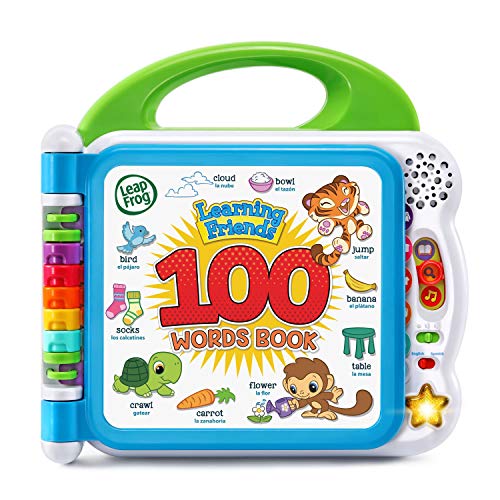
The LeapFrog 100 Words Book introduces children to a vocabulary-rich world with Turtle, Tiger, and Monkey as learning friends. The book includes more than 100 age-appropriate words across categories such as animals, colors, and mealtime. Pressing words triggers spoken cues, sound effects, and a theme song, which can boost auditory processing and memory. This interactive format supports language development, word recognition, and early literacy concepts in a compact, portable package ideal for independent or guided play.
MINGKIDS Multi-Sensory Shape Toys

The 6-piece MINGKIDS set features chunky, tactile shapes designed for sensory exploration. Each block offers unique textures to boost tactile perception while teaching color and shape recognition. The elastic-band interaction adds a hands-on challenge that promotes problem-solving and fine motor development. Safe ABS construction with rounded edges makes this suitable for very young toddlers or kids starting early learning routines, helping them practice matching, stacking, and spatial awareness.
Fisher-Price Stacking Toy Baby’s First Blocks

This classic Fisher-Price set includes 10 colorful blocks for sorting, stacking, and dropping through a shape-sorter lid. The blocks tuck neatly inside a bucket for easy storage and portability, and an easy-carry handle encourages on-the-go play. Simple cause-and-effect play helps with motor planning and coordination, while color sorting and sequencing foster cognitive development. It’s a durable option that grows with a child’s stacking abilities from infancy into toddlerhood.
Buying Guide: Key Purchase Considerations
When choosing brain development toys for a 1-year-old, consider the following factors to ensure safety, engagement, and developmental value.
- Age-appropriateness: Look for pieces that are easy to grasp for little hands and sized to avoid choking hazards. Toys should offer a manageable challenge that scales with growth.
- Materials and safety: Prioritize non-toxic paints, smooth edges, and sturdy construction—wood and BPA-free plastics are common safe options. Ensure parts won’t easily detach during play.
- Skills targeted: Choose toys that promote a mix of fine motor skills, hand-eye coordination, shape and color recognition, and early language development. Multi-sensory options can accelerate learning by engaging more senses.
- Portability and storage: Travel-friendly designs with simple, contained storage help maintain organization and encourage frequent use in different settings.
- Expansion and progression: Effective sets allow for increasing complexity, such as adding more shapes, colors, or sequencing tasks to match a child’s progress.
- Language and interaction: Toys that offer narration, sounds, or questions encourage caregiver-child interaction, which supports vocabulary growth and social development.
Across these picks, parents can balance tactile exploration with cognitive challenges. Wooden shapes and sorting puzzles support spatial reasoning, while interactive books and multi-sensory toys introduce words, sounds, and patterns. The right combination can foster curiosity, resilience, and early problem-solving abilities in everyday play.